
The ancient Ayurvedic herb that modern science keeps falling in love with — and for very good reason.
📌 SEO Details
Meta Title: Ashwagandha Health Benefits: Nature's Best Adaptogen
Meta Description: Discover the top ashwagandha health benefits — from stress relief to better sleep and immunity. Learn science-backed uses, dosage tips, and natural remedies.
URL Slug: /ashwagandha-health-benefits
Primary Keyword: ashwagandha health benefits
🔑 Keywords
Secondary Keywords:ashwagandha benefits withania somnifera uses adaptogen herbs ashwagandha for stress ashwagandha for sleep natural anxiety relief herbs ayurvedic herbs for health ashwagandha root powder
Long-tail Keywords:
ashwagandha health benefits for men and women how to take ashwagandha for stress and anxiety ashwagandha benefits for brain and memory does ashwagandha help with sleep and cortisol ashwagandha root powder benefits and side effects
In the world of natural health, few herbs carry the same legendary status as ashwagandha. Used for over 3,000 years in Ayurvedic medicine — India's ancient system of natural healing — ashwagandha has been called the "king of herbs" and the "Indian ginseng." And while those titles may sound dramatic, the science behind this extraordinary root continues to prove that the reputation is well deserved.
Whether you are dealing with chronic stress, restless nights, low energy, a sluggish immune system, or simply want to sharpen your mental clarity, ashwagandha health benefits cover an impressive range of concerns. It is one of the most well-studied adaptogens on the planet — a class of herbs that help the body resist physical and mental stress.
In this guide, we break down everything you need to know about ashwagandha — what it is, how it works, its top proven benefits, how to use it, and who should be careful. Let's explore this ancient superfood together.

Ashwagandha root — one of Ayurveda's most treasured healing herbs for over 3,000 years.
🌿 What Is Ashwagandha?
Ashwagandha (Withania somnifera) is a small, woody shrub native to India, North Africa, and parts of the Mediterranean. Its name comes from Sanskrit — "ashwa" meaning horse and "gandha" meaning smell — referring to both its strong, earthy scent and the traditional belief that consuming it grants the strength and vitality of a horse.
The roots and leaves of the ashwagandha plant are the most used parts in herbal medicine. The root, in particular, contains a powerful group of compounds called withanolides — steroidal lactones unique to this plant — which are responsible for most of its remarkable health effects. These compounds work together to help the body adapt to stress, balance hormones, reduce inflammation, and support overall well-being.
Ashwagandha belongs to a special category of herbs called adaptogens — plants that help normalize the body's response to stress without causing harmful side effects. Other famous adaptogens include rhodiola, holy basil, and ginseng, but ashwagandha stands out for its extraordinarily wide range of clinically studied benefits.
Learn more about powerful herbs and superfoods that support natural health on our site.

The ashwagandha plant — a resilient shrub whose roots hold extraordinary healing potential.
💚 Why Ashwagandha Is Important for Health
We live in a world that is increasingly stressful. Deadlines, screen time, poor sleep, processed food, and constant connectivity have pushed our bodies into a near-permanent state of stress. When the body is under chronic stress, cortisol levels stay elevated — and that disrupts nearly every system in the body, from digestion and immunity to hormones and brain function.
This is exactly where ashwagandha shines. As an adaptogen, it works at the root of the problem — regulating the hypothalamic-pituitary-adrenal (HPA) axis, which controls your stress response. By helping to bring cortisol levels back to a healthy range, ashwagandha creates a cascade of positive effects throughout the body.
Beyond stress, ashwagandha is also rich in iron, antioxidants, and amino acids, making it nutritionally supportive in addition to being therapeutically powerful. Its importance for health is not just one-dimensional — it is a full-body tonic that has been trusted by Ayurvedic practitioners for millennia and is now validated by modern clinical research.
✨ Top Health Benefits of Ashwagandha
Here are the most well-documented ashwagandha health benefits, each supported by scientific research and traditional use:
Reduces Stress & Anxiety
Lowers cortisol and calms the nervous system naturally and effectively.
Improves Sleep
Promotes deep, restful sleep by reducing stress hormones and anxiety.
Boosts Brain Power
Enhances memory, focus, and cognitive function significantly.
Builds Strength
Increases muscle mass and physical endurance in both men and women.
Boosts Immunity
Strengthens immune defenses with powerful antioxidant activity.
Balances Hormones
Supports thyroid function and healthy testosterone levels naturally.
1. Powerful Stress and Anxiety Relief
This is ashwagandha's most celebrated benefit — and for good reason. Multiple clinical trials have shown that ashwagandha supplementation significantly reduces levels of cortisol, the body's primary stress hormone. In one landmark study, participants who took 300 mg of ashwagandha root extract twice daily for 60 days reported a 27% reduction in cortisol levels compared to the placebo group. They also reported significantly lower stress and anxiety scores.
For people dealing with generalized anxiety, work-related burnout, or emotional exhaustion, ashwagandha offers a safe, natural alternative or complement to conventional approaches. Discover more natural remedies for stress and anxiety on our website.
2. Dramatically Better Sleep Quality
One of the lesser-known but equally impressive ashwagandha health benefits is its ability to improve sleep. The leaves of the ashwagandha plant contain triethylene glycol, a compound shown to induce sleep naturally. Additionally, by lowering cortisol and reducing anxiety, ashwagandha helps quiet the overactive mind that keeps so many people awake at night.
A clinical study published in the Journal of Ethnopharmacology found that participants taking ashwagandha root extract experienced significantly improved sleep quality, reduced sleep onset latency, and better morning alertness compared to a placebo group.
3. Sharper Memory and Cognitive Function
Ashwagandha has been used in Ayurveda as a brain tonic — a "medhya rasayana" — for centuries. Modern research backs this up. Studies show that ashwagandha improves memory, reaction time, attention, and information-processing speed. It does this partly by protecting neurons from oxidative damage and by reducing inflammation in brain tissue.
One study found that healthy adults who took ashwagandha extract for 8 weeks showed significantly better performance on memory and cognitive tasks compared to those taking a placebo — a promising finding for anyone looking to support mental sharpness naturally.
4. Enhanced Strength, Endurance, and Recovery
Athletes and fitness enthusiasts have taken notice of ashwagandha's effects on physical performance. Research published in the Journal of the International Society of Sports Nutrition found that men who took ashwagandha while following a resistance training program gained significantly more muscle mass and strength — and had greater reductions in exercise-induced muscle damage — compared to a placebo group.
Ashwagandha also improves cardiorespiratory endurance, making it a fantastic natural supplement for both strength athletes and endurance athletes alike.
5. Immune System Strengthening
Ashwagandha is rich in antioxidants — including superoxide dismutase, catalase, and glutathione precursors — that protect immune cells from oxidative damage. It also stimulates the production of natural killer (NK) cells, which are the immune system's first line of defense against pathogens and abnormal cells.
For people who frequently get sick, especially during seasonal changes, adding ashwagandha to a daily wellness routine can be a meaningful step toward stronger, more resilient immunity. Explore more healthy living practices to boost your immunity naturally.
6. Hormonal Balance and Thyroid Support
Ashwagandha is one of the few natural herbs with documented effects on thyroid hormones. Studies show it can help normalize both T3 and T4 levels in people with subclinical hypothyroidism. It also supports healthy testosterone levels in men, and helps regulate cortisol-related hormonal disruptions in women, making it a highly versatile herb for overall hormonal health.

A balanced, stress-free life — one of the most powerful outcomes of consistent ashwagandha use.
🧴 Best Natural Ways to Use Ashwagandha
Ashwagandha is available in several forms and can be used in a variety of ways depending on your preference and health goals:
Best for: Stress relief, better sleep, and daily wellness.
- 1 teaspoon ashwagandha root powder
- 1 cup warm whole milk or oat milk
- ½ teaspoon turmeric powder
- ¼ teaspoon cinnamon
- 1 teaspoon raw honey (add after cooling slightly)
How to use:
- Warm the milk gently — do not boil.
- Whisk in ashwagandha, turmeric, and cinnamon.
- Remove from heat and stir in honey.
- Drink 30–60 minutes before bed for best results.
Best for: Convenience and precise dosing — ideal for busy lifestyles.
- Standard dose: 300–600 mg of root extract daily
- Take with food to minimize any stomach discomfort
- KSM-66 and Sensoril are the most clinically studied extract forms
- Take consistently for 4–8 weeks for full benefits
Best for: Gentle daily use and digestive support.
- 1 teaspoon dried ashwagandha root (or ½ tsp powder)
- 2 cups water
- Honey and lemon to taste
How to prepare:
- Simmer ashwagandha root in water for 15 minutes.
- Strain into a cup.
- Add honey and lemon to improve taste.
- Drink once daily, preferably in the morning or evening.
Best for: Athletes, gym-goers, and energy seekers.
- 1 teaspoon ashwagandha powder
- 1 banana
- 1 cup almond milk
- 1 tablespoon almond butter
- 1 teaspoon raw honey
- A pinch of cardamom
How to prepare:
- Blend all ingredients until smooth.
- Drink post-workout or as a morning energizer.
Ashwagandha Dosage Guide
| Form | Recommended Dose | Best Time to Take |
|---|---|---|
| Root Powder | 1–2 teaspoons (3–6g) | With warm milk at night |
| Root Extract (KSM-66) | 300–600 mg/day | Morning or evening with food |
| Capsules/Tablets | 300–500 mg, 1–2x daily | With meals |
| Tea | 1–2 cups daily | Morning or before bed |
| Tincture (liquid) | 2–4 ml, 2x daily | Diluted in water or juice |
💡 Pro Tip: Ashwagandha is fat-soluble, meaning it absorbs better when taken with food — especially healthy fats like warm milk, almond butter, or coconut oil. Consistency is key — take it daily for at least 4 weeks to feel the full difference.
🔬 Scientific Evidence Behind Ashwagandha
Ashwagandha is one of the most extensively researched herbs in natural medicine. Here is a summary of key findings from peer-reviewed studies:
🧪 Cortisol & Stress Reduction
A double-blind, randomized controlled trial published in Medicine (Baltimore) found that 240 mg/day of ashwagandha extract for 60 days reduced cortisol levels by 22.2%, alongside significant reductions in anxiety and depression scores. Participants also reported better sleep quality and overall well-being.
🧪 Athletic Performance & Muscle Strength
Research in the Journal of the International Society of Sports Nutrition showed that men taking 300 mg of ashwagandha twice daily for 8 weeks alongside resistance training had significantly greater increases in muscle size (chest and arms), strength, and testosterone levels — plus greater reductions in exercise-induced muscle damage — than the placebo group.
🧪 Cognitive Function & Memory
A study published in the Journal of Dietary Supplements found that healthy adults supplementing with ashwagandha extract for 8 weeks demonstrated significantly better immediate and general memory, sustained attention, and information-processing speed compared to a control group.
🧪 Thyroid Hormone Regulation
A clinical trial published in the Journal of Alternative and Complementary Medicine showed that ashwagandha root extract significantly improved serum TSH, T3, and T4 levels in patients with subclinical hypothyroidism after 8 weeks, suggesting a real and measurable effect on thyroid function.
🧪 Sleep Quality
A randomized, double-blind, placebo-controlled study found that 600 mg/day of ashwagandha root extract for 12 weeks significantly improved sleep quality, sleep efficiency, and mental alertness upon waking in both healthy and insomnia-affected participants.
For more science-backed herbs and superfoods proven to support health, explore our complete collection.
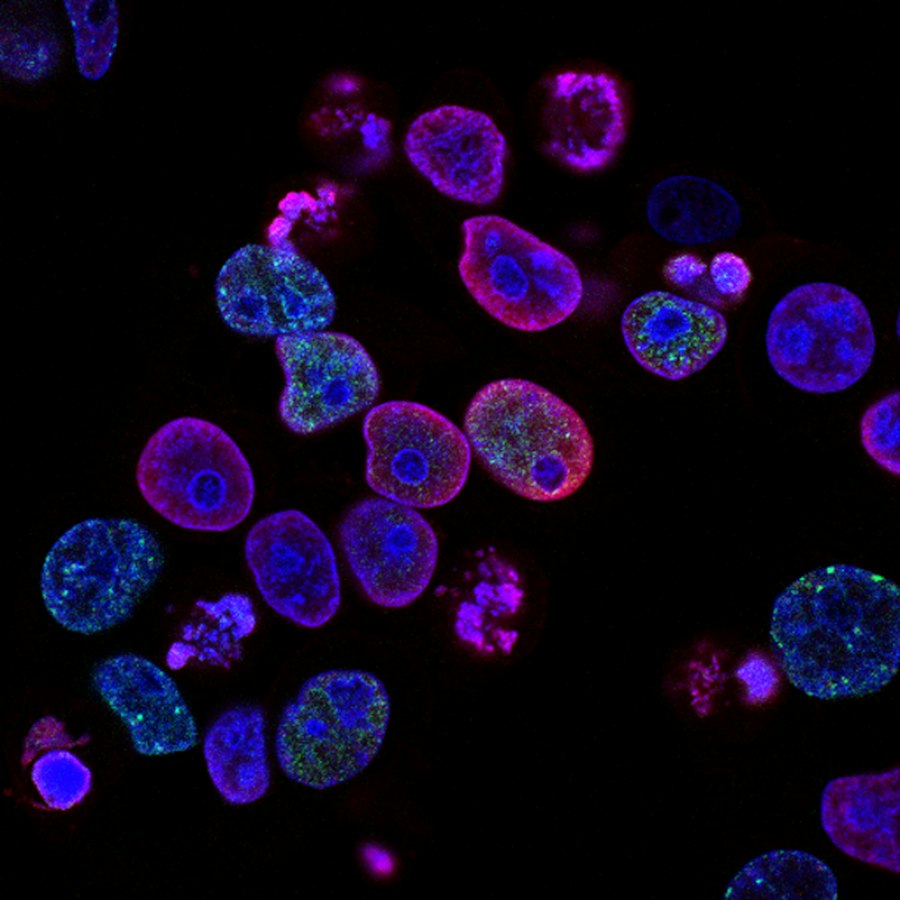
Clinical research continues to validate what Ayurveda has known for thousands of years.
🗓️ Practical Tips for Daily Life
Getting the most out of ashwagandha requires more than just taking a supplement. Here are practical tips to integrate it effectively into your daily routine:
- Be consistent: Ashwagandha is not a quick fix — it works best when taken daily for at least 4–8 weeks. Think of it as a long-term investment in your health.
- Pair with healthy fats: Take ashwagandha with warm milk, coconut oil, or a meal containing fat to improve absorption of withanolides.
- Take at night for sleep benefits: If your primary goal is better sleep or stress relief, taking it 30–60 minutes before bed works best.
- Take in the morning for energy & focus: If you want better mental performance or physical endurance, morning dosing is more effective.
- Combine with other adaptogens wisely: Ashwagandha pairs well with holy basil (tulsi) and rhodiola for an enhanced adaptogenic effect — but consult a health professional before stacking multiple herbs.
- Track your results: Keep a simple journal of your sleep, energy, mood, and stress levels. Most people notice changes within 2–3 weeks of consistent use.
- Support with lifestyle: Ashwagandha works best alongside a balanced diet, regular movement, and good sleep hygiene — it is not a substitute for healthy habits.
- Choose quality products: Look for products standardized to at least 5% withanolides, and opt for certified organic, third-party tested brands.
Pair ashwagandha with other healthy living practices for maximum impact on your overall well-being.
⚠️ Safety Tips and Precautions
Ashwagandha is generally safe for most healthy adults when used as directed. However, like any potent herbal supplement, there are important precautions to keep in mind:
- Pregnant women: Ashwagandha has uterine-stimulating properties and should be avoided during pregnancy. Consult your doctor before use while breastfeeding.
- Autoimmune conditions: Because ashwagandha stimulates immune activity, people with autoimmune diseases like lupus, rheumatoid arthritis, or multiple sclerosis should consult a doctor before use.
- Thyroid disorders: Ashwagandha can influence thyroid hormone levels. If you are on thyroid medication, monitor your levels closely and consult your healthcare provider.
- Sedative medications: Ashwagandha may enhance the effects of sedatives and sleep medications. Avoid combining without medical supervision.
- Surgery: Discontinue use at least 2 weeks before any scheduled surgery, as it may affect anesthesia and blood pressure.
- Nightshade sensitivity: Ashwagandha belongs to the nightshade family. People with nightshade allergies should use it with caution.
- Liver health: Rare cases of liver injury have been reported with very high doses. Stick to recommended doses and do not exceed 600 mg extract per day without medical guidance.
Always start with a lower dose to assess your body's response, and consult a qualified healthcare professional before beginning any new herbal supplement — especially if you have existing health conditions or take medications.

Smart, informed use of ashwagandha ensures maximum benefit and minimum risk.
❓ Frequently Asked Questions
🌟 Final Thoughts
The ashwagandha health benefits are nothing short of remarkable. From calming a stressed mind and improving the quality of your sleep, to building physical strength, supporting hormonal balance, boosting immunity, and sharpening cognitive function — this ancient herb does it all. And unlike many trendy supplements, ashwagandha's benefits are backed by decades of rigorous scientific research.
Whether you choose to enjoy it as a warm golden milk before bed, a morning smoothie, or a convenient daily capsule, the key is consistency. Give ashwagandha 4–8 weeks to work its magic, support it with healthy lifestyle habits, and you may find that this small, unassuming root becomes one of the most impactful additions to your daily wellness routine.
Nature has given us extraordinary tools for healing and resilience. Ashwagandha is one of its greatest gifts — ancient, proven, and more relevant than ever in our modern, fast-paced world.
🌿 "The greatest wealth is health." — Ashwagandha has supported human vitality for 3,000 years. In a world of stress and uncertainty, this ancient root offers something truly rare: natural, science-backed resilience for body and mind.
Discover more herbs, superfoods, and natural remedies on Nature Remedy Hub.